Fire Mitigation Invoices – Essential Documents Insurance Companies Require for Fast Payment

SmartMit Team
SaaS Billing Strategist
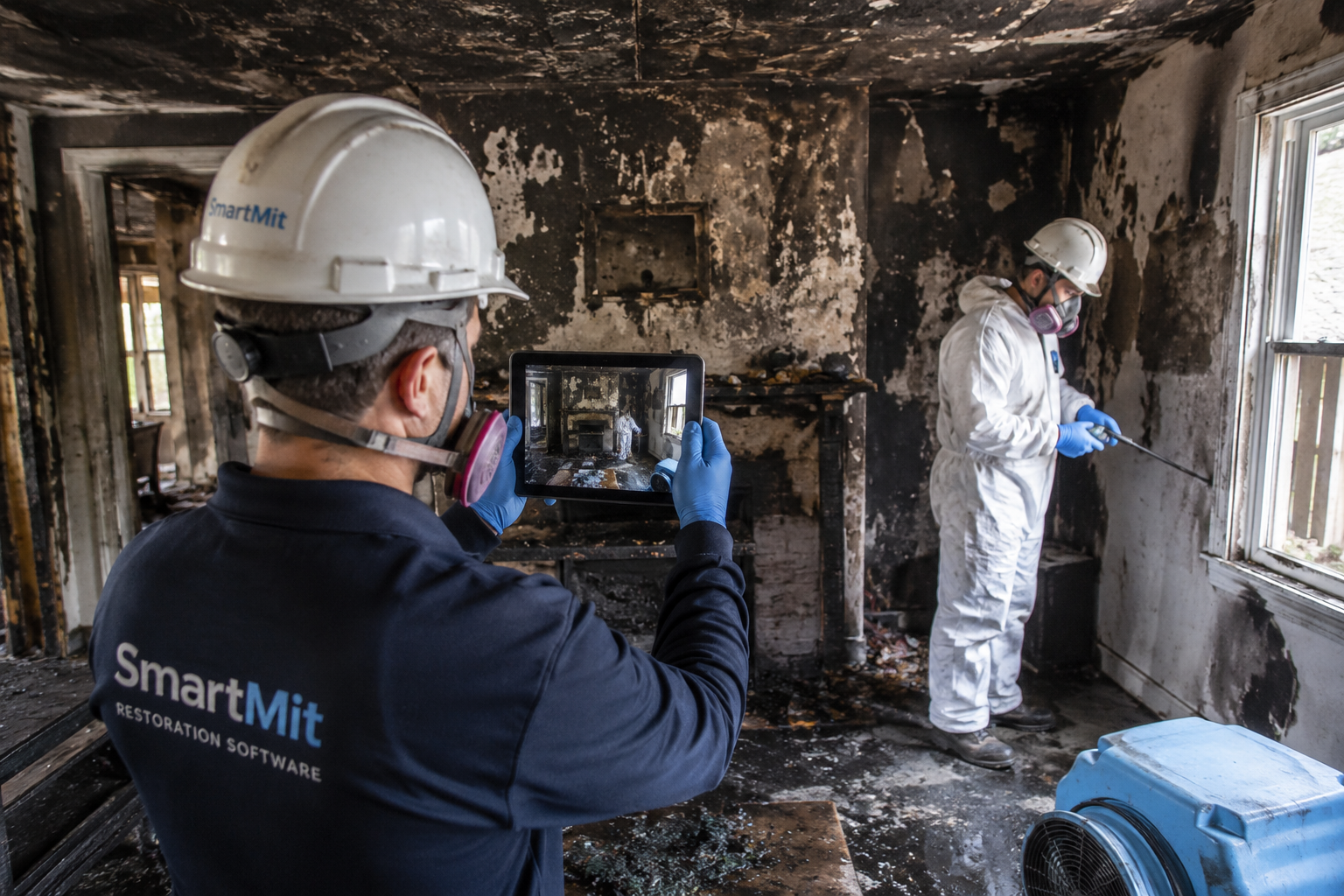
When a fire hits a property, mitigation work starts immediately: emergency board-ups, soot and odor removal, content protection, and structural drying to prevent further damage. Contractors respond quickly, but insurance payments often lag due to incomplete documentation.
Many restoration firms send just an invoice and hope for the best. In reality, carriers demand a complete supporting package before approving claims. Poor documentation is one of the top reasons for denials and delays — with some reports showing claim processing times increasing by 60% or more after major fires, and up to 70% of survivors experiencing payment issues.
Here are the 8 key documents that can dramatically speed up approvals:
- Work Authorization Agreement duly signed: This is proof that the property owner approved the mitigation company, the scope of emergency services, and billing responsibility.
- Emergency Service Logs: Timestamped records of board-ups, tarping, water extraction, equipment setup, cleaning, and technician hours to justify urgent response costs.
- Photo Documentation: Clear before-and-after photos of initial fire/smoke damage, affected areas, mitigation in progress, and final results. (Pro tip: Use timestamped, geo-tagged images.)
4. Moisture and Environmental Readings: Moisture meter data, psychrometric readings, drying logs, and equipment monitoring reports proving industry-standard procedures (especially important for water damage from firefighting).
5. Detailed Scope of Work: Itemized breakdown of treated areas, materials, labor, equipment, and specialized services — ideally aligned with Xactimate line items for smoother adjuster review.
6. Equipment Usage Reports: Details on air scrubbers, dehumidifiers, air movers, hydroxyl generators, etc., including type, quantity, installation/removal dates, and billable days.
7. Content Inventory and Pack-Out Records: Full inventories, pack-out lists, storage records, and cleaning reports for personal belongings.
8. Certificate of Completion duly signed: A document confirming that all services were finished and accepted by the customer.
Insurers face heavy pressure to verify every expense. Missing signatures, poor photo organization, or absent daily logs are common rejection triggers. Well-prepared claims with strong supporting files get paid significantly faster — often cutting months off the wait.
Best Practices for Restoration Contractors
* Integrate documentation into your daily workflow from day one. * Use specialized digital tools that automatically capture signatures, generate photo reports, organize logs, and compile complete packages. * Align everything with Xactimate standards to reduce back-and-forth.
Bottom line: When the invoice reaches the adjuster, the question isn't whether the work was done — it’s whether your documentation proves it. Build a bulletproof file and turn potential delays into prompt payments.